
Steps to Develop a Comprehensive Lighting Strategy
- Enes Furkan Güçyener

- Oct 13, 2025
- 4 min read
Lighting is more than just illumination; it is the silent architect of atmosphere, mood, and function within any space. When we embark on the journey to develop a comprehensive lighting strategy, we are not merely choosing fixtures or bulbs. Instead, we are crafting an experience that harmonizes with architecture, enhances human comfort, and respects the natural rhythms of light and shadow. How do we begin this delicate dance of light? Let us explore the essential steps together.
Understanding the Importance of a Thoughtful Lighting Strategy
Before diving into technicalities, it is vital to appreciate why a well-planned lighting strategy matters. Lighting influences how we perceive space, affects productivity, and even impacts well-being. For architects, interior designers, property developers, and building owners, lighting is a tool to elevate design and functionality.
A thoughtful lighting strategy balances aesthetics with practicality. It considers energy efficiency, sustainability, and the integration of natural and artificial light sources. Imagine a workspace bathed in soft, natural light during the day, seamlessly transitioning to warm, inviting artificial light in the evening. This balance nurtures comfort and reduces energy consumption.
Key considerations include:
The purpose of each space and its lighting needs
The interplay between natural daylight and artificial lighting
Energy efficiency and sustainability goals
The emotional and psychological effects of light on occupants
By addressing these factors early, we lay a foundation for a lighting strategy that is both beautiful and responsible.

Crafting Your Lighting Strategy: Essential Steps
Developing a comprehensive lighting strategy is a process that unfolds in clear, deliberate stages. Each step builds upon the last, ensuring that the final design is cohesive and effective.
1. Define Objectives and Requirements
Start by asking: What do we want to achieve with lighting? Are we enhancing architectural features, improving safety, or creating ambiance? Defining clear objectives helps prioritize decisions.
Consider the specific needs of each area:
Task lighting for workspaces
Accent lighting for art or architectural details
Ambient lighting for general illumination
Decorative lighting to add character
2. Analyze the Space and Environment
Every space has unique characteristics that influence lighting choices. Take note of:
Room dimensions and ceiling heights
Surface colors and textures
Window placement and daylight availability
Existing electrical infrastructure
This analysis guides the selection of fixtures, light levels, and control systems.
3. Select Appropriate Lighting Technologies
With objectives and space analysis in hand, choose lighting technologies that align with your goals. LED lighting, for example, offers energy efficiency and longevity. Consider smart lighting controls for flexibility and customization.
4. Develop a Lighting Layout
Plan the placement of fixtures to achieve uniform illumination and highlight key features. Use lighting simulation tools to visualize effects and optimize design.
5. Integrate Controls and Automation
Incorporate dimmers, sensors, and timers to enhance user experience and conserve energy. Automation can adjust lighting based on occupancy or daylight levels.
6. Test and Refine
Before finalizing, test the lighting setup in the actual environment. Gather feedback and make adjustments to ensure comfort and functionality.
By following these steps, we create a lighting strategy that is intentional, adaptable, and aligned with the broader design vision.
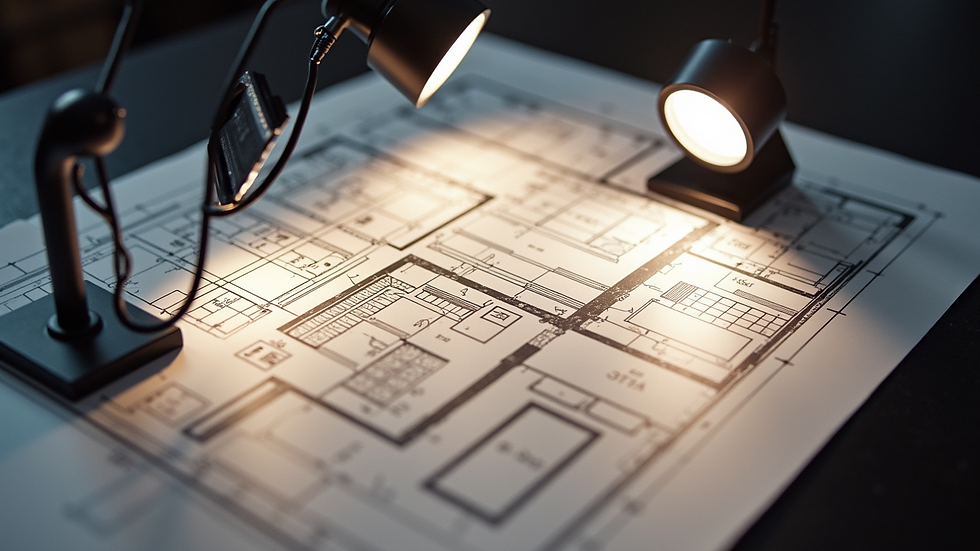
What is the process of lighting design?
The process of lighting design is a meticulous journey that transforms concepts into tangible, luminous realities. It begins with understanding the client's vision and the space's purpose. From there, designers develop a plan that balances technical requirements with creative expression.
At its core, the lighting design process involves:
Research and Analysis: Gathering data about the site, user needs, and environmental factors.
Concept Development: Sketching ideas and exploring lighting effects.
Technical Design: Selecting fixtures, calculating light levels, and creating detailed plans.
Implementation: Coordinating installation and ensuring quality control.
Evaluation: Reviewing performance and making necessary adjustments.
This process is iterative and collaborative, inviting input from architects, engineers, and clients alike. It ensures that lighting is not an afterthought but an integral part of the architectural narrative.

Practical Tips for Implementing Your Lighting Strategy
Having a strategy is one thing; executing it effectively is another. Here are some practical recommendations to guide you through implementation:
Collaborate Early: Engage lighting professionals during the initial design phase to avoid costly changes later.
Prioritize Flexibility: Use adjustable fixtures and controls to accommodate changing needs and preferences.
Consider Maintenance: Choose durable fixtures and plan for easy access to reduce upkeep challenges.
Embrace Natural Light: Maximize daylight through window placement and reflective surfaces to reduce reliance on artificial lighting.
Focus on Human-Centric Lighting: Select color temperatures and intensities that support circadian rhythms and occupant well-being.
By keeping these tips in mind, you ensure that your lighting strategy translates into a living, breathing environment that serves its users gracefully.
Embracing Innovation and Sustainability in Lighting
As we look to the future, innovation and sustainability stand at the forefront of lighting design. New technologies offer unprecedented control and efficiency, while growing environmental awareness demands responsible choices.
Consider integrating:
Smart Lighting Systems: Automated controls that respond to occupancy and daylight.
Energy-Efficient Fixtures: LEDs and other low-consumption options.
Renewable Energy Sources: Solar-powered lighting where feasible.
Recyclable Materials: Fixtures made from sustainable or recycled components.
These choices not only reduce environmental impact but also enhance the quality of life within spaces. Lighting becomes a partner in promoting health, productivity, and ecological stewardship.
Illuminating Spaces with Purpose and Poise
In the end, developing a comprehensive lighting strategy is an act of thoughtful creation. It requires us to listen to the space, understand its rhythms, and respond with light that is both functional and poetic. Together, we can craft environments where light dances gently, revealing beauty and fostering comfort.
May your next project shine with intention and grace, guided by a strategy that honors both form and function. After all, isn't lighting the quiet storyteller of every architectural journey?


Comments