
Maximizing the Impact of Light in Architectural Design
- Enes Furkan Güçyener

- Dec 13, 2025
- 5 min read
Updated: Feb 2
Understanding the Types of Light Sources
Before we dive into strategies, it’s essential to understand the types of light sources available to us. Broadly, light sources fall into two categories: natural and artificial. Each has unique qualities and roles in architectural spaces.
Natural light comes from the sun and varies throughout the day and seasons. It offers a dynamic, full spectrum of light that changes in intensity and color temperature. This variability can enhance the rhythm of a space, connecting occupants to the outside world.
Artificial light is generated by human-made devices such as LEDs, fluorescents, and incandescent bulbs. It provides control and consistency, allowing us to tailor lighting conditions to specific needs regardless of time or weather.
Within artificial lighting, there are several types to consider:
Ambient lighting: The general illumination that fills a room.
Task lighting: Focused light for activities like reading or cooking.
Accent lighting: Highlights architectural features or artwork.
Decorative lighting: Adds aesthetic appeal and character.
By understanding these types, we can begin to orchestrate light in ways that enhance both function and beauty.
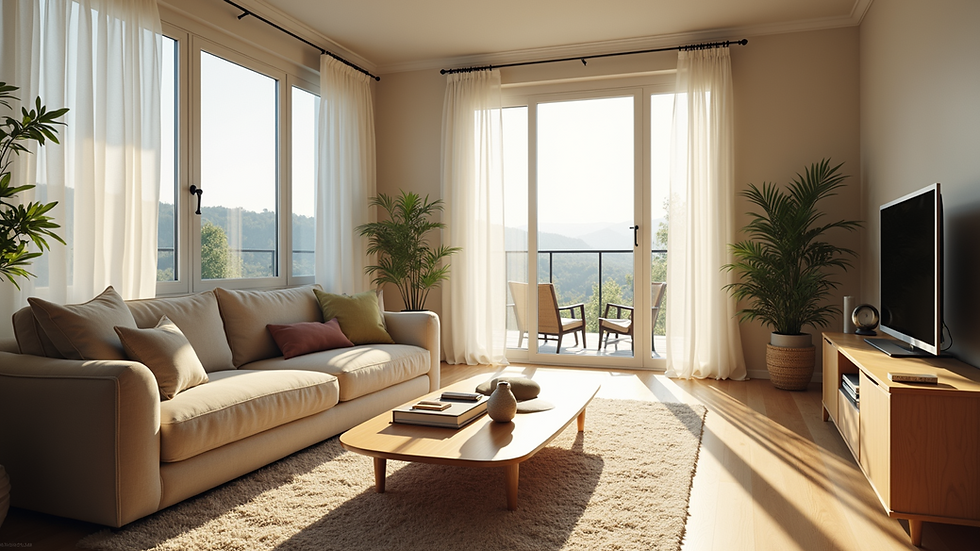
How to Harness Different Types of Light Sources Effectively
Maximizing light’s impact requires more than just choosing fixtures or windows. It involves thoughtful design decisions that consider placement, intensity, color, and interaction with materials.
Positioning and Orientation
Natural light is a gift, but it must be carefully managed. South-facing windows in the northern hemisphere capture the most sunlight, ideal for living spaces. East and west windows bring morning and afternoon light, respectively, which can be softer or more intense.
Artificial lighting should complement natural light patterns. For example, task lighting near work areas ensures functionality when daylight fades. Layering light sources allows flexibility and depth.
Color Temperature and Quality
Light’s color temperature affects mood and perception. Warm light (2700K-3000K) creates cozy, inviting atmospheres, while cooler light (4000K-5000K) promotes alertness and clarity. Natural daylight shifts from cool in the morning to warm at sunset, a rhythm artificial lighting can mimic to support circadian health.
Material Interaction
Surfaces reflect and absorb light differently. Matte finishes diffuse light softly, while glossy surfaces create highlights and reflections. Using light-colored walls and ceilings can amplify natural light, reducing the need for artificial sources during the day.
Smart Controls and Automation
Modern lighting systems offer sensors and controls that adjust artificial lighting based on natural light availability. This integration saves energy and maintains consistent illumination levels, enhancing comfort and sustainability.

Which is Better, Natural Light or Artificial Light?
This question often arises, but the answer is not a simple choice between one or the other. Instead, it’s about balance and purpose.
Natural light is unparalleled in its quality and health benefits. It supports vitamin D synthesis, improves mood, and regulates sleep cycles. However, it is unpredictable and can cause glare or overheating if not controlled.
Artificial light offers precision and reliability. It allows us to extend productive hours beyond daylight and tailor lighting to specific tasks or aesthetics. Yet, poor artificial lighting can cause eye strain and disrupt natural rhythms.
The best approach is to integrate both. By combining natural and artificial light thoughtfully, we create spaces that are adaptable, comfortable, and visually engaging throughout the day and night.
Practical Tips for Integrating Artificial and Natural Light
How can we put these principles into practice? Here are actionable recommendations to maximize the impact of artificial and natural light in your projects:
Maximize daylight penetration
Use large, well-placed windows, skylights, and light wells. Consider shading devices like louvers or blinds to control glare without sacrificing brightness.
Layer lighting
Combine ambient, task, and accent lighting to create depth and flexibility. For example, in a kitchen, use overhead lights for general illumination, under-cabinet lights for counters, and pendant lights for the island.
Choose energy-efficient fixtures
LEDs offer longevity, low heat emission, and customizable color temperatures. They are ideal for sustainable design.
Incorporate dimmers and sensors
Adjust lighting levels based on occupancy and daylight availability. This not only saves energy but also enhances user comfort.
Select materials that enhance light
Light-colored walls, reflective surfaces, and translucent partitions can amplify both natural and artificial light.
Consider human-centric lighting
Mimic natural light patterns to support circadian rhythms, improving well-being and productivity.
Plan for maintenance and flexibility
Ensure lighting systems are easy to update or replace as needs evolve.
By applying these strategies, we create spaces that feel alive and responsive, where light becomes a partner in design rather than a mere necessity.
Lighting as a Tool for Well-being and Sustainability
Beyond aesthetics and function, lighting profoundly impacts human health and environmental responsibility. Thoughtful use of natural and artificial light can reduce energy consumption and enhance occupant comfort.
Daylight harvesting systems, which adjust artificial lighting based on available sunlight, exemplify this synergy. They reduce electricity use while maintaining optimal illumination.
Moreover, exposure to natural light supports mental health, reduces stress, and improves sleep quality. In workplaces and homes alike, this translates to happier, healthier occupants.
As we design with light, we embrace a holistic approach that honors both the environment and the people who inhabit our spaces.
Illuminating the Future with Innovation and Care
The journey to maximize the impact of light is ongoing. Advances in technology and design continue to expand our possibilities. From tunable LEDs that shift color temperature to smart controls that learn user preferences, the future of lighting is bright.
Yet, the essence remains timeless: light connects us to our surroundings and to ourselves. By blending the best of natural and artificial sources, we craft environments that nurture, inspire, and endure.
Let us move forward with intention and creativity, illuminating spaces that celebrate life in all its light-filled beauty.
The Role of Light in Architectural Identity
Light is not just a functional element; it is a defining characteristic of architectural identity. It shapes how we perceive space and influences our emotional responses. The interplay of light and shadow can create dramatic effects, enhancing the architectural narrative.
Consider how light can transform a simple corridor into a journey. By strategically placing windows or light fixtures, we can guide movement and evoke curiosity. Each beam of light tells a story, inviting exploration and engagement.
The Emotional Impact of Light
Light has the power to evoke emotions. A well-lit space can uplift spirits, while dim lighting can create intimacy. By understanding the psychological effects of light, we can design environments that resonate with human experiences.
In public spaces, bright and vibrant lighting can foster energy and interaction. In contrast, softer lighting in residential areas can promote relaxation and comfort. The emotional impact of light is a crucial consideration in our designs.
Future Trends in Lighting Design
As we look ahead, the trends in lighting design are evolving. Sustainability is at the forefront, with a growing emphasis on energy-efficient solutions. Smart lighting systems are becoming more prevalent, allowing for personalized experiences.
Moreover, the integration of biophilic design principles is gaining traction. This approach emphasizes the connection between nature and the built environment. By incorporating natural light and materials, we create spaces that enhance well-being and productivity.
In conclusion, the journey of maximizing light in architectural design is both an art and a science. By understanding the nuances of light and its impact on our experiences, we can create spaces that are not only functional but also enriching. Let us embrace the potential of light to transform our environments and elevate human experiences.


Comments