
The Advancements in LED Lighting Systems
- Enes Furkan Güçyener

- Oct 20, 2025
- 4 min read
In the quiet glow of a well-lit room, we often forget the marvels behind the light itself. The evolution of lighting has been a journey from flickering flames to the steady brilliance of LEDs. Today, we stand at the cusp of a new era where LED technology transforms not only how we illuminate spaces but also how we experience them. This transformation invites us to rethink design, sustainability, and human comfort in architectural spaces.
The Evolution of LED Technology in Modern Lighting
LEDs, or Light Emitting Diodes, have come a long way since their inception. Initially used as indicator lights, they have blossomed into versatile sources of illumination. Their compact size, energy efficiency, and longevity have made them indispensable in contemporary lighting design.
Consider the shift from incandescent bulbs to LEDs. The latter consume up to 80% less energy and last 25 times longer. This leap in efficiency is not just a technical upgrade; it is a profound change in how we approach lighting in buildings. Architects and designers now have the freedom to experiment with forms and functions previously constrained by traditional lighting.
The integration of LEDs into smart systems further enhances their appeal. Imagine lighting that adjusts automatically to natural daylight, enhancing well-being and reducing energy consumption. This synergy between natural and artificial light is a cornerstone of modern lighting design, promoting sustainability without sacrificing aesthetic or comfort.
Designing with LED Technology: A New Palette for Creativity
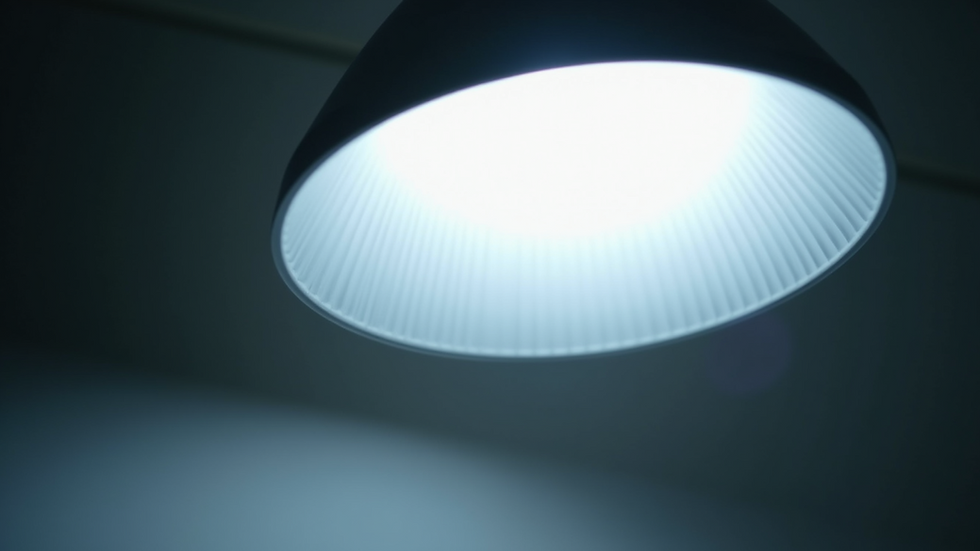
LED technology opens a new palette for creativity in architectural and interior design. Unlike traditional lighting, LEDs offer a spectrum of colors and intensities that can be finely tuned to suit any mood or function. This flexibility allows for dynamic environments that respond to human needs and activities.
For instance, in office spaces, cooler white LEDs can enhance focus and productivity during the day, while warmer tones in the evening create a relaxing atmosphere. In residential settings, adjustable LEDs can mimic natural light patterns, supporting circadian rhythms and improving sleep quality.
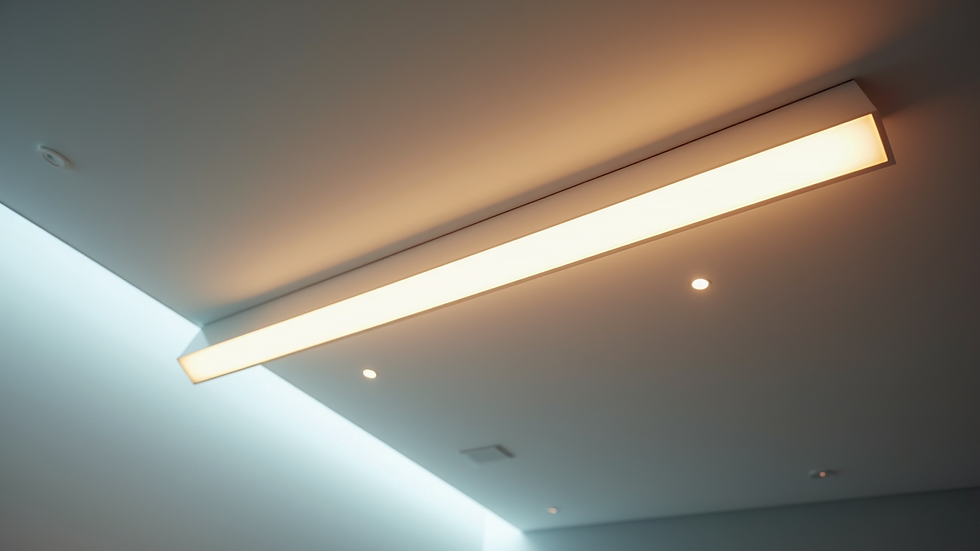
Moreover, LEDs enable innovative lighting forms such as strips, panels, and embedded fixtures that blend seamlessly with architectural elements. This integration supports minimalist aesthetics and highlights structural features without overwhelming the space.
The ability to control lighting remotely or through automated systems adds another layer of convenience and efficiency. Lighting scenes can be programmed for different times of day or events, enhancing both functionality and ambiance.
The Role of LED Lighting in Sustainable Architecture
Sustainability is no longer an option but a necessity in building design. LED lighting plays a pivotal role in reducing the environmental footprint of buildings. Its low energy consumption directly translates to lower greenhouse gas emissions, aligning with global efforts to combat climate change.
Beyond energy savings, LEDs contribute to sustainability through their durability and reduced waste. Their long lifespan means fewer replacements and less material consumption. Additionally, many LEDs are free of hazardous substances like mercury, making disposal safer and more environmentally friendly.
Incorporating LEDs into daylight-responsive systems maximizes natural light use, further cutting energy needs. This approach not only conserves resources but also enhances occupant comfort by maintaining balanced light levels throughout the day.
For property developers and building owners, investing in LED lighting is a strategic decision. It offers long-term cost savings, compliance with green building standards, and a positive image as environmentally responsible entities.

Practical Considerations for Implementing LED Lighting Systems
While the benefits of LED lighting are clear, successful implementation requires careful planning and expertise. Selecting the right type of LED fixtures, understanding the space’s lighting needs, and integrating controls are critical steps.
Start by assessing the function of each area. Task lighting, ambient lighting, and accent lighting each have different requirements. For example, a conference room may need bright, glare-free lighting, while a lobby benefits from softer, welcoming illumination.
Next, consider the color temperature and color rendering index (CRI) of LEDs. High CRI LEDs reveal colors more accurately, which is essential in retail or art spaces. Color temperature affects mood and productivity, so choose accordingly.
Control systems enhance flexibility and efficiency. Dimming capabilities, motion sensors, and daylight harvesting can optimize energy use and user experience. Integration with building management systems allows centralized control and monitoring.
Partnering with experienced lighting consultants ensures that design and implementation align with both aesthetic goals and technical standards. Their guidance can help navigate the complexities of wiring, compatibility, and maintenance.
Embracing the Future: Lighting as an Experience
As we look ahead, LED lighting is not just about illumination but about creating experiences. It invites us to explore how light shapes our perception of space, influences emotions, and supports well-being.
Imagine a museum where lighting adapts to the artwork and visitor flow, or a hotel lobby that shifts ambiance from day to night seamlessly. These possibilities are within reach thanks to advances in LED technology and intelligent control systems.
The journey of light from a mere utility to an integral design element reflects a broader shift towards human-centered architecture. By blending natural and artificial light thoughtfully, we enhance comfort, productivity, and connection to the environment.
In this evolving landscape, we find inspiration to innovate and collaborate, crafting spaces that resonate with life and light.
Lighting is more than a technical necessity; it is a language that speaks to our senses and shapes our experiences. By embracing the advancements in LED technology, we open doors to new realms of design and sustainability. Together, we can illuminate the future with clarity, creativity, and care.
For those ready to explore the possibilities, discovering the latest in led lighting technology offers a gateway to innovation and excellence in lighting design.


Comments