
How to Design Energy-Saving Lighting Systems
- Enes Furkan Güçyener

- Oct 28, 2025
- 4 min read
In the quiet dance between light and shadow, we find the essence of architectural beauty and human comfort. Designing lighting systems that save energy is not just a technical challenge; it is an art form that balances efficiency with ambiance. How do we create spaces that glow warmly yet consume less power? How can we harness both natural and artificial light to craft environments that nurture well-being and sustainability? Let us explore the thoughtful process of designing energy-saving efficient lighting systems, where every lumen counts and every choice matters.
Understanding Efficient Lighting in Design
Efficient lighting is more than just installing LED bulbs or motion sensors. It is a holistic approach that considers the interplay of light sources, architectural elements, and human activity. When we design with efficiency in mind, we reduce energy consumption without sacrificing the quality of illumination.
To begin, consider the purpose of each space. A conference room demands bright, even lighting to foster focus, while a lounge area benefits from softer, warmer tones that invite relaxation. Matching light levels to function prevents waste and enhances comfort.
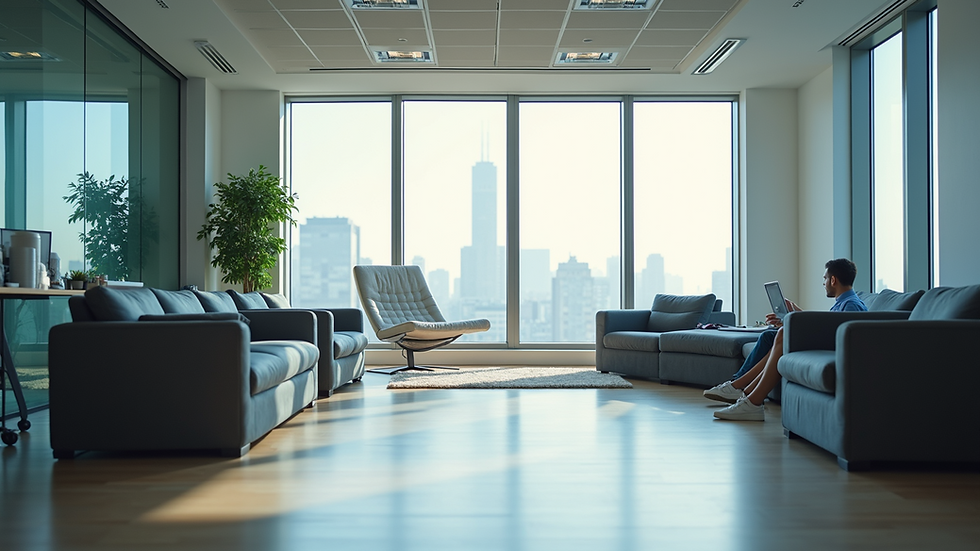
Next, evaluate the natural light availability. Large windows, skylights, and reflective surfaces can dramatically reduce the need for artificial lighting during the day. Thoughtful placement of these elements allows daylight to penetrate deep into interiors, creating dynamic and inviting spaces.
Finally, choose lighting fixtures and controls that optimize energy use. Dimmable LEDs, occupancy sensors, and daylight harvesting systems adjust light output based on real-time needs, ensuring no watt is wasted.
Key Principles of Efficient Lighting Systems
When designing energy-saving lighting, several principles guide us toward success:
Right Light, Right Place
Avoid over-lighting by tailoring illumination to specific tasks and zones. Use focused lighting for work areas and ambient lighting for general spaces.
Layered Lighting
Combine ambient, task, and accent lighting to create depth and flexibility. This approach allows users to adjust lighting according to mood and activity, reducing unnecessary energy use.
Use of Controls
Integrate sensors, timers, and smart controls to automate lighting. For example, occupancy sensors turn off lights in unoccupied rooms, while daylight sensors dim artificial lights when sunlight is sufficient.
Energy-Efficient Fixtures
Select LED fixtures with high efficacy (lumens per watt) and long lifespans. LEDs generate less heat, reducing cooling loads and further saving energy.
Maintenance and Upkeep
Regular cleaning and timely replacement of lamps and fixtures maintain optimal performance and efficiency.
By applying these principles, we create lighting systems that are not only energy-conscious but also adaptable and user-friendly.
What is the Most Efficient Lighting System?
Among the many options available, LED lighting systems stand out as the most efficient choice today. Their advantages include:
High Energy Efficiency: LEDs convert a greater portion of electricity into visible light, with efficiencies often exceeding 100 lumens per watt.
Longevity: Lifespans of 25,000 to 50,000 hours reduce replacement frequency and waste.
Versatility: Available in various color temperatures and forms, LEDs suit diverse architectural styles and functions.
Instant On/Off: Unlike some traditional lamps, LEDs reach full brightness immediately, enhancing control and convenience.
However, efficiency is not solely about the light source. The integration of LEDs with smart controls and daylight harvesting systems creates a synergy that maximizes savings. For instance, a well-designed LED system paired with sensors can reduce lighting energy use by up to 60%.
Consider also the emerging role of tunable white LEDs, which adjust color temperature throughout the day to mimic natural light patterns, supporting circadian rhythms and enhancing occupant well-being.

Practical Steps to Design Energy-Saving Lighting Systems
Designing an energy-saving lighting system involves a series of deliberate steps:
1. Conduct a Lighting Audit
Assess existing lighting conditions, energy consumption, and user needs. Identify areas of over-illumination or under-illumination.
2. Define Lighting Goals
Set clear objectives such as reducing energy use by a certain percentage, improving visual comfort, or enhancing aesthetic appeal.
3. Select Appropriate Fixtures
Choose LED fixtures with suitable lumen output, color temperature, and beam angles. Consider fixture placement to minimize shadows and glare.
4. Incorporate Controls
Plan for occupancy sensors, daylight sensors, dimmers, and timers. Ensure controls are intuitive and accessible.
5. Optimize Natural Light
Design window placements, shading devices, and reflective surfaces to maximize daylight use while controlling glare and heat gain.
6. Simulate and Test
Use lighting design software to model the system’s performance. Adjust parameters to meet energy and comfort targets.
7. Implement and Monitor
Install the system with professional oversight. After commissioning, monitor energy use and user feedback to fine-tune settings.
By following these steps, we ensure that the lighting system is tailored to the building’s unique characteristics and user requirements.
The Role of Technology and Innovation
Technology continues to revolutionize how we approach energy-saving lighting. Innovations such as Internet of Things (IoT) integration allow lighting systems to communicate with building management systems, optimizing energy use dynamically.
Moreover, human-centric lighting designs prioritize occupant health by adjusting light intensity and color temperature throughout the day. This approach not only saves energy but also enhances productivity and well-being.
Ween Lighting Design & Consultancy embraces these advancements, offering efficient lighting solutions that blend innovation with sustainability. Their expertise ensures that every project benefits from cutting-edge technology and thoughtful design.
Embracing a Sustainable Lighting Future
As we reflect on the journey of designing energy-saving lighting systems, we recognize that every decision shapes the environment we inhabit. Efficient lighting is a commitment to stewardship - of resources, of comfort, and of beauty.
By integrating natural and artificial light thoughtfully, selecting advanced technologies, and prioritizing user experience, we create spaces that resonate with life and light. The path to sustainability is illuminated by our choices, inviting us to design with care and vision.
Let us move forward with confidence, knowing that the light we design today will brighten the world of tomorrow.


Comments